Education Committee
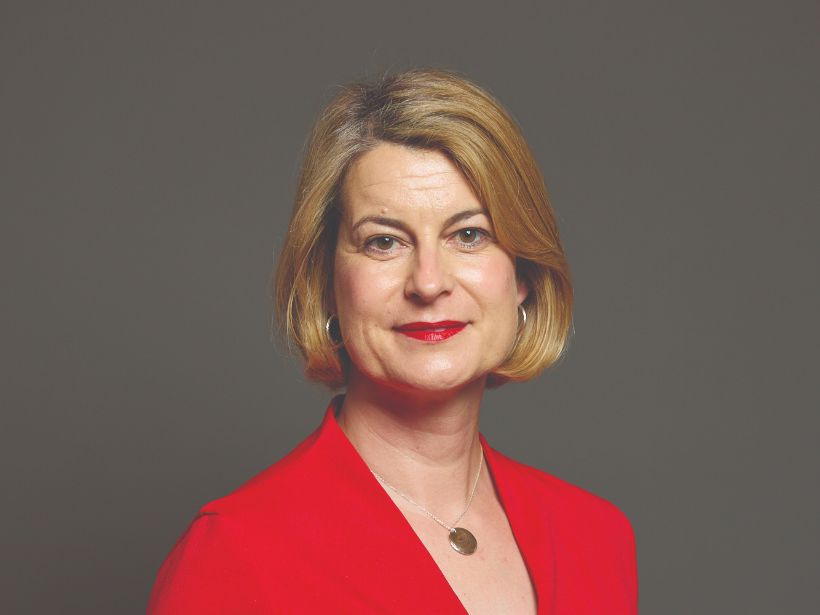
Chaired by Helen Hayes, Labour MP for Dulwich and West Norwood
Current inquiries Reading for pleasure; education and skills; early years: improving support for children and families; higher education and funding: threat of insolvency and international students; solving the SEND crisis; children’s social care
What makes a good select committee chair? The chair needs to be passionate about the subject matter and prepared to read voraciously on a wide range of relevant topics. Working collaboratively with your cross-party colleagues and finding compromises is key. It is a pleasure to work with such a committed and knowledgeable group of colleagues. That’s where the energy to learn and develop a deep understanding of the issues comes from, and it is how we develop strong recommendations.
What has been the biggest challenge you’ve encountered in the last year – or the thing that has surprised you most? The sheer breadth and depth of the evidence we receive can be a challenge, particularly with this committee having one of the most emotive, people-centred policy areas. Our SEND inquiry, for example, received around 900 written submissions. We really want to do justice to the evidence and to ensure that the voices of people directly impacted by services are heard.
How easy have you found it to call your chosen witnesses, and how helpful and informative have you found witnesses during hearings? Ministers and leaders such as the chief inspector of Ofsted have been very obliging, as we would expect. In the final session of our SEND inquiry, the schools minister was unwilling to give much away regarding the reforms that DfE is planning for the upcoming white paper on SEND. Whilst this was understandable to a degree, I would argue that greater candour from our witnesses really helps us to make strong recommendations.
How responsive has your chosen department been to your committee’s reports and recommendations so far? Some government responses have not been as positive or as detailed as I would expect, accepting only a handful of our recommendations. However, there is a track record of departments rejecting a committee’s recommendations, supposedly for practical reasons, but then quietly adopting them further down the line.
What are your priorities for the next 12 months? We are looking ahead to the reforms on SEND. When they are published, it will be a critical moment for the government. I believe our committee will be among the most authoritative voices when the time comes to scrutinise those proposals. The higher education sector is also in a precarious situation, and we will be making recommendations in this area soon. We have big plans for a range of new inquiries in the New Year.
Welsh Affairs Committee
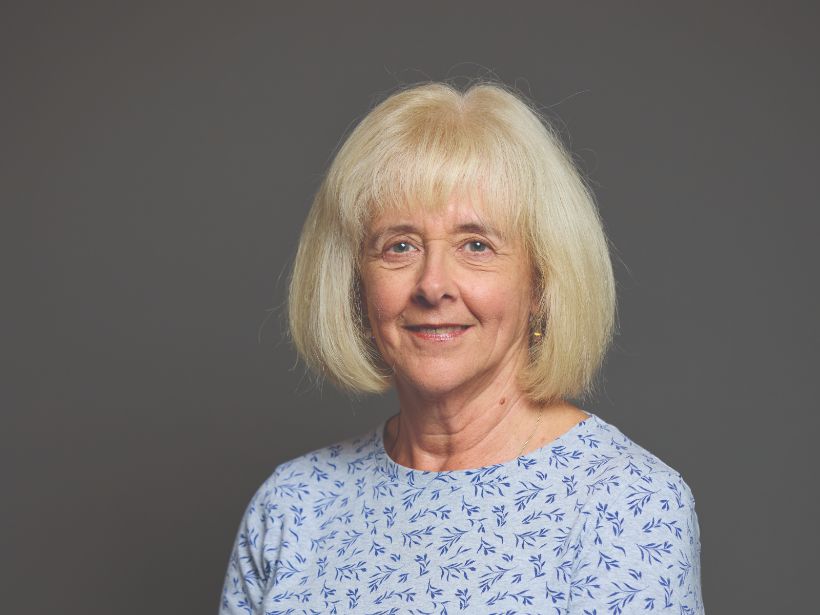
Chaired by Ruth Jones, Labour MP for Newport West and Islwyn
Current inquiries Farming in Wales in 2025: challenges and opportunities; prisons, probation and rehabilitation in Wales; the environmental and economic legacy of Wales’s industrial past; promoting Wales for inward investment
What makes a good select committee chair? Being able to foster a collegiate atmosphere. The committee scrutinises a range of complex and diverse issues affecting our communities, and it is only by putting party politics aside and working together effectively that will we see the most impact for the people of Wales.
What has been the biggest challenge you’ve encountered in the last year – or the thing that has surprised you most? One of our biggest challenges is navigating the complexities between the UK government and Welsh Government’s responsibilities. Looking at our prisons inquiry, the UK government oversees prisons, probation and rehabilitation services, while responsibility for intersecting services such as health, education and housing is devolved to the Welsh Government.
It’s important, therefore, that both governments work effectively together in the best interests of people in Wales. It will take good relations between Westminster and Cardiff, which is why I’m keen to ensure that we have a productive relationship with those in the Senedd, such as through our regular scrutiny sessions with the first minister of Wales.
How easy have you found it to call your chosen witnesses, and how helpful and informative have you found witnesses during hearings? I’m grateful to all our witnesses who have given their time to participate in these hearings. It has been immensely informative for us. We haven’t shied away from asking tough questions or, where needed, expressing concerns with the quality of information provided. In a recent evidence session on prisoner healthcare, I raised serious worries about the lack of detail provided and have since called for CEOs of the relevant health boards to appear before the committee. All the evidence we take ensures that we can think critically about the challenges facing our communities and make recommendations that truly deliver for Wales.
How responsive has the government been to your committee’s reports and recommendations so far? We are yet to receive the government’s response to our first report on the challenges and opportunities for farming in Wales. It is disappointing the government didn’t take the opportunity to delay its inheritance tax reforms in the Budget, which my committee and many others had called for. We need a Welsh-specific impact assessment to understand the true impact on current and future generations living in farming communities across the country. The current proposals do not take into consideration the needs and the distinct nature of Welsh farmers.
What are your priorities for the next 12 months?
We are continuing our inquiries investigating how best we can promote inward investment, and exploring the legacy of Wales’s industrial past and how to support the transition to the economies of the future. We will also be continuing our prisons inquiry. In the new year, we will be looking at the proposed restructuring of Welsh rugby and what it will mean not just for the professional game, but for all the communities where the sport is so important.