Director of public prosecutions Stephen Parkinson has issued a lengthy apology for the Crown Prosecution Service’s handling of prolific sex offender and murderer Simon Levy, who was handed a whole life sentence by a judge at the Old Bailey this week.
A number of Levy’s offences were committed when he was on bail. In some cases Levy was granted bail by magistrates against advice police gave to the CPS.
Parkinson acknowledged relevant court hearings had not been given all the information they should have been when decisions were being made about Levy and that the criminal justice system had “failed to stop” him.
“The CPS did not meet the standard the public should expect and we have been clear that this was a serious failing,” he said. “I want to say I am sorry for this.”
Levy, aged 41, of Beaufoy Road, Tottenham, north London, received his main sentence for two murders and a rape that he committed last year. All of those incidents targeted women involved in some form of sex work.
Judge Mark Lucraft said Levy had a record of “significant convictions” for sex offences conducted on women. In 2021 he received a three-year jail sentence for two sexual assaults committed in 2018. Levy went on to sexually assault a female prison officer while he was serving that sentence at HMP Brixton.
On his release Levy is known to have committed a further 10 sexual assaults against women on trains in the capital. British Transport Police successfully prosecuted him for those assaults – but by the time of his arrest in September last year he had already gone on to commit the murders and rape he was sentenced for this week.
Judge Lucraft said Levy appeared to have a “morbid fascination with sex, rape and crime”. He said that in addition to material found on Levy’s mobile phone and other devices, police had recovered “an array of press cuttings” at his home that revealed a “long-standing fascination with sex, sexual offences and particularly rape”.
‘Shocking example of systemic failure’
Victims’ commissioner for England and Wales Claire Waxman said the case represented “one of the most shocking examples of systemic failure in recent years”.
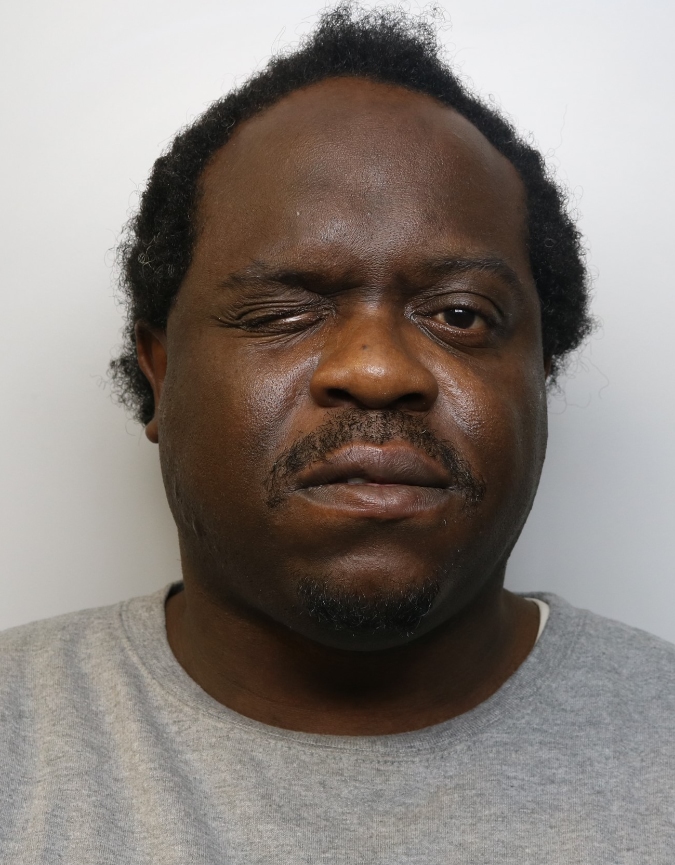 Simon Levy Photo: Met Police
“A dangerous serial sex offender repeatedly came to the attention of multiple agencies, yet critical opportunities to identify the risk he posed, share information and take protective action were missed,” she said. “The consequences in this case were devastating.”
The Independent Office for Police Conduct is also investigating the management of Levy from his first conviction in September 2021 to his final arrest in September last year. Part of that work includes alleged failures on the part of two Metropolitan Police officers.
Victims ‘were entitled to expect better’
In his statement yesterday, CPS boss Parkinson said his “first thoughts” were with the victims and survivors of Levy, their families and “every other victim who looks to the criminal-justice system for protection. “They were entitled to expect better,” he said.
Parkinson said he understood why the Levy case had caused deep concern.
“It has shaken confidence in the way the criminal justice system protects women and girls, and I recognise the pain and anger that will be felt by victims, families and the wider public,” he said.
“We must accept what went wrong, learn from it, and take clear action together so the same mistakes are not repeated. That means the CPS, police and courts working together effectively, with a shared responsibility to protect the public and to make sure the right information is available at the right time.”
Parkinson said that although the criminal justice system is currently under “significant pressure”, the system “cannot be allowed to fail again”.
He said the public rightly expected police, prosecutors and courts to work together, share information properly, identify risk quickly and act decisively when women and girls are in danger.
“The public do not want to see different parts of the system blaming each other,” he said. “They want to know lessons have been learned and action is being taken to implement those lessons.”
Remedial action
Parkinson said the CPS has already begun making changes based on the issues identified in the Levy case.
“Prosecutors in busy remand courts will receive more support so they have the time, information and help they need to make the right decisions,” he said.
“We are providing further training and strengthening checks on bail, remand hearings and risk management. This will focus on cases where there may be a pattern of offending, where victims may be at serious risk, and where prosecutors need to act quickly but carefully.”
Parkinson added that the CPS is also working with police forces to “improve how information is shared”, so that prosecutors, the court and the defence “have the right information” when bail decisions are made.
The CPS boss said the organisation’s guidance makes clear that prosecutors should tell courts about a defendant’s “pattern of bad behaviour”, even where it has not led to a conviction, as long as it is relevant to the court’s decision.
“We have renewed our focus on protecting communities by making sure prosecutors seek to keep dangerous offenders in custody where the legal test is met,” he said.
Fears over early-release pressures
Full details of the justice system’s failings in relation to Levy come as the government is under renewed pressure over its plans to release significant numbers of prisoners early in a bid to ease overcrowding in the nation’s jails.
Last week, probation officers’ union Napo warned that over-stretched Probation Service staff have no capacity to deal with increased workloads. It said the government’s plans will see “thousands of domestic abuse perpetrators and stalkers” released early from prison, posing “real issues of public protection”.
Victims’ commissioner Waxman said she is “gravely concerned” that the failings and oversights of the Levy case will be repeated as the early-release plans, which are due to take effect in October, put “unprecedented pressure” on the system.
“Probation services are already under significant strain, with frontline staff repeatedly warning about excessive workloads and challenges in managing growing caseloads,” she said. “As more offenders are supervised in the community, ministers must be able to demonstrate that the agencies responsible for public protection have the capacity, resources and information they need to identify risk and act decisively. As victims’ commissioner, I remain unconvinced.”